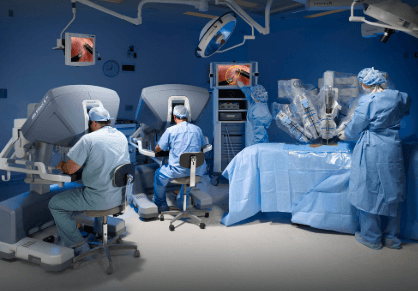
5G enables remote surgery by delivering ultra-low latency, high reliability, and sufficient bandwidth for real-time telesurgical control, feedback, and imaging. Deterministic performance and robust failover reduce delays between intention and action, while continuous connectivity preserves procedural visibility. Enhanced telemetry streams support ongoing physiological data, aiding safety monitoring and decision-making. Privacy, security, and regulatory alignment anchor accountable practice, guiding network design and audits. The framework invites examination of practical deployment and its impact on patient outcomes.
What 5G Unlocks for Remote Surgery
5G unlocks the potential of remote surgery by providing ultra-low latency, high-reliability communication, and sufficient bandwidth to support real-time, telesurgical control and feedback. This enables latency optimization by reducing delays between intention and action, while ensuring continuous procedure visibility.
Surgical telemetry provides ongoing physiological data streams, supporting safety monitoring, prompt intervention, and structured, surgeon-led decision-making within a patient-centered, freedom-conscious framework.
Real-Time Performance: Latency, Reliability, and Bandwidth
Real-time performance in remote surgery hinges on three interdependent dimensions: latency, reliability, and bandwidth. Precision-driven assessment centers on minimizing delay through latency optimization, ensuring consistent response across diverse conditions.
Reliability requires robust failover and error handling to protect patient safety.
Bandwidth guarantees sustain uninterrupted image, control, and feedback channels, enabling cross-network flexibility while preserving deterministic performance for critical clinical tasks.
Safety, Security, and Regulatory Considerations
The discussion emphasizes privacy concerns and regulatory compliance, balancing innovation with risk mitigation.
Robust authentication, data protection, and audit trails support accountability, while standards alignment and regulatory oversight safeguard clinical standards and patient trust in remote interventions.
Implementing 5G-Enabled Remote Surgery: Practical Steps and Case Examples
Implementing 5G-enabled remote surgery requires a structured deployment framework that translates regulatory and safety principles into operational practice.
Case examples illustrate staged integration: network design, latency management, and failover protocols.
Remote latency remains critical in prompting precise control; surgical robotics rely on bandwidth optimization to sustain synchronous feedback.
Compliance-driven audits ensure ongoing regulatory compliance and patient safety throughout adoption.
See also: portcheckeronline
Frequently Asked Questions
What Are the Patient Privacy Implications of 5G Remote Surgery?
The patient privacy implications include privacy breaches risk, mitigated by robust data encryption and strict access controls; clinical precision emphasizes safeguarding confidentiality, ensuring patient safety, while language remains clear for an audience seeking freedom from risk.
How Is Surgeon Training Adapted for 5g-Enabled Operations?
Surgeon adaptability drives 5G-enabled operation readiness, with structured curricula emphasizing telemetry handling, haptic fidelity, and contingency protocols. Training accreditation ensures standardized competencies, ongoing competency assessments, and continuous quality improvement, aligning practitioner autonomy with patient safety and global professional norms.
What Happens if 5G Connectivity Drops Mid-Procedure?
In the event of a 5G drop mid-procedure, procedures pause while safeguards engage; data integrity and latency compensation mechanisms strive to maintain safety, with fallback protocols, monitoring, and rapid redeployment of conventional control as needed.
How Does 5G Affect Cross-Border Teleoperation?
Cross-border teleoperation introduces remote latency considerations and requires stringent cross border compliance. Clinically, operators prioritize patient safety as networks fluctuate, ensuring latency stays within thresholds to maintain precision while balancing regulatory and ethical freedoms for global access.
What Is the Cost-Benefit Impact for Hospitals?
Cost savings and risk mitigation are modest to substantial, depending on scale and workflow integration. In clinical precision terms, hospitals may realize operational efficiencies and improved safety, yet upfront investment, maintenance costs, and regulatory adherence temper overall financial benefit.
Conclusion
In conclusion, careful calibration cultivates clinical confidence. 5G-empowered, real-time robotics require rigorous reliability, robust redundancy, and rigorous regulatory rations to safeguard patients. Network niches—latency, bandwidth, and failover—must be tightly tuned, tested, and transparently traceable. Safety systems synchronize sensing, signals, and surgical sprints, safeguarding stewardship and systemic stability. Practitioners, policies, and procedures converge: precise protocols, persistent privacy, and principled performance. Ultimately, prudent planning, persistent monitoring, and proactive preparedness propel proven, protected, patient-centered remote surgery.