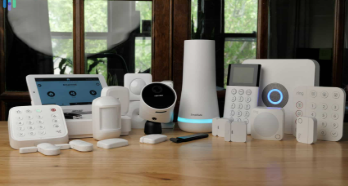
Home technology innovations blend automation, remote access, and continuous monitoring to improve daily efficiency. Systems are designed to scale with changing needs and to interoperate across devices. Safety, privacy, and energy use shape ongoing choices and upgrades. Budget considerations, compatibility, and future-proofing guide decisions, aiming for long-term value and resilience. The balance of convenience and risk invites further inquiry—how these evolving solutions will fit into evolving homes and lifestyles remains an open question.
How Home Tech Makes Life Easier Today
Smart home technology has evolved to simplify daily routines by automating common tasks, monitoring household conditions, and enabling remote control from mobile devices.
This overview assesses how home automation streamlines chores, enhances security, and supports proactive maintenance.
It emphasizes awareness of device energy use, empowering choices that balance convenience with sustainability while preserving user autonomy and flexibility in a modern, linked living environment.
Smart Systems That Scale With Your Home
As home systems evolve, scalability becomes a defining factor in practical automation, allowing networks to grow without reconfiguring core infrastructure. Smart systems enable adaptive processing, modular modules, and interoperable devices across Smart homes, ensuring scalable systems handle increased load.
Privacy considerations remain essential, balancing data utility with user trust, while Battery life expectations guide device placement and duty cycles for sustained performance.
Safety, Privacy, and Battery Life in Modern Devices
Safety, privacy, and battery life govern the practical deployment of modern devices, balancing user protection with functional efficiency. Designers pursue resilience against security loopholes while enabling seamless usability, ensuring devices operate without intrusive habits. Data minimization remains central, reducing exposure through limited collection and retention. Energy-aware software practices extend longevity, promoting sustainable performance and freedom to innovate without compromising trust or efficiency.
Choosing Upgrades: Budget, Compatibility, and Future-Proofing
Choosing upgrades requires a careful balance of cost, compatibility, and long-term viability, ensuring that purchases deliver immediate value without compromising future flexibility.
The analysis emphasizes budget compatibility, evaluating total ownership costs, maintenance needs, and resale potential.
Future proofing considerations focus on standards, upgradability, and ecosystem commitments, guiding decisions that align with user freedom while maintaining reliability and adaptability across evolving devices and services.
See also: How 5G Enables Remote Surgery
Frequently Asked Questions
How Do I Choose Devices That Work Across Ecosystems?
Cross platform compatibility requires prioritizing devices with open standards and multi-protocol support; avoid proprietary lock-in. Analysts note ecosystem fragmentation persists, so evaluating interoperability guarantees and robust third-party integrations helps maintain freedom across diverse systems and vendors.
What Ongoing Maintenance Do Smart Devices Require?
Ongoing maintenance includes regular software updates, battery checks, and privacy reviews. Maintenance basics emphasize monitoring performance and compatibility, while tracking device lifecycle helps anticipate replacements and sustainability, ensuring reliability and freedom to adapt without vendor lock-in.
Can Upgrades Affect Home Insurance or Warranties?
Upgrades can affect insurance and warranties. Anticipating concern about cost, one notes insurers may reassess risk after significant tech improvements; warranties often specify coverage changes. Impacts depend on policy terms, installation standards, and documented maintenance—upgrades may alter eligibility.
Are There Hidden Costs Beyond Purchase Price?
Hidden costs may emerge beyond purchase price, including installation, maintenance, and energy use, while warranty coverage often excludes certain failures. The analysis suggests buyers weigh total ownership, balancing upfront savings against potential long-term expenses and freedom of choice.
How Will Future-Proofing Adapt to New Standards?
Future-proofing adapts as standards evolve, ensuring cross ecosystem device compatibility remains central. Coincidence underscores inevitability: today’s investment aligns with tomorrow’s standards, balancing freedom to choose with durable interoperability across platforms.
Conclusion
In the evolving cadence of modern homes, technology acts like a silent conductor, guiding daily rhythms without overt intrusion. As systems scale and become more interoperable, households glimpse a future where efficiency and resilience coalesce, much like a well-turnished old manuscript that reveals new chapters with each turn. Yet privacy, battery life, and budget temper ambition, reminding readers that sustainable progress requires thoughtful, future-proof choices—an ongoing dance between convenience and caution in contemporary living.